

Camping in Great Smoky Mountains National Park
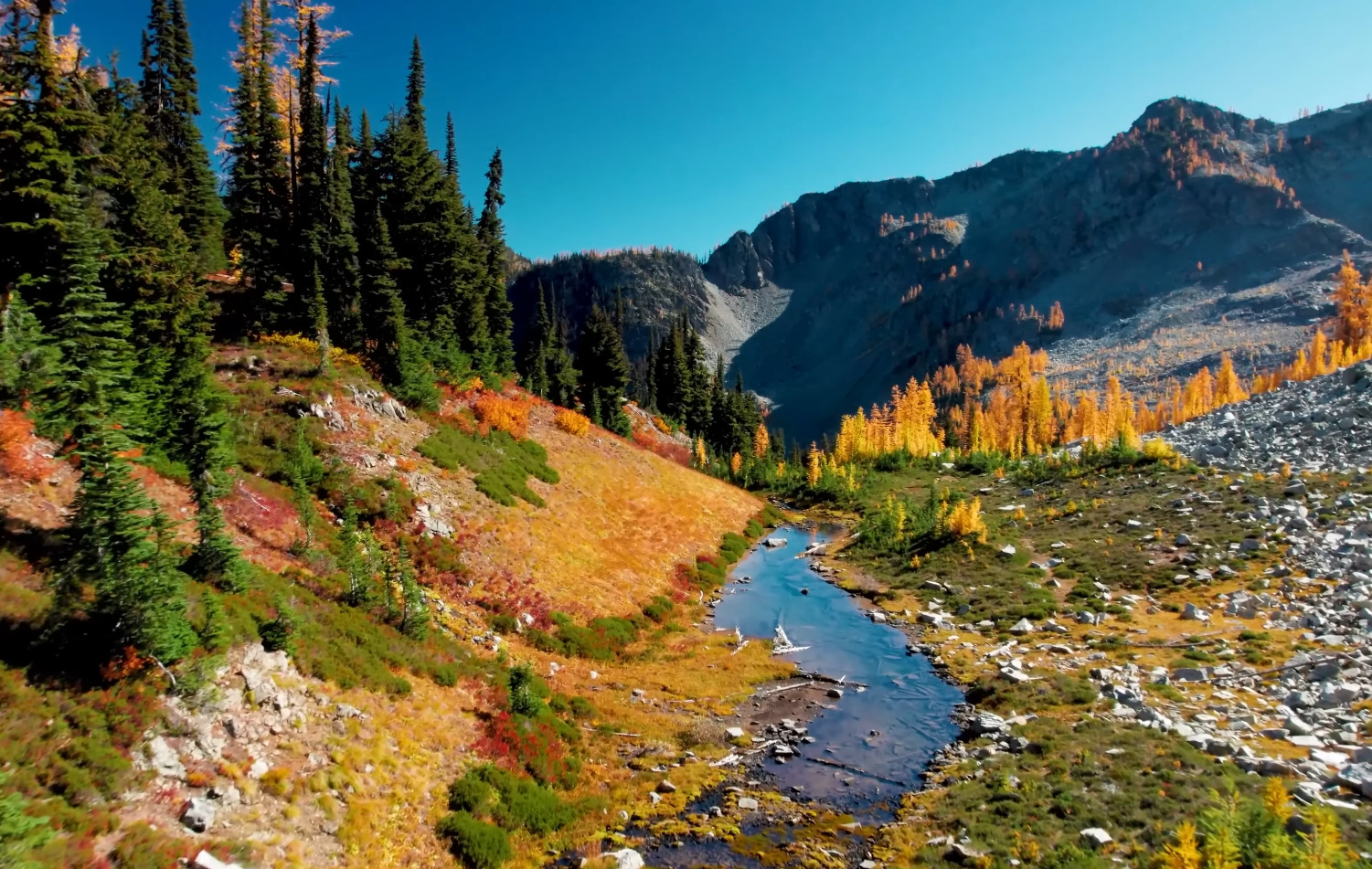
You’re standing at the entrance of Great Smoky Mountains National Park, a map in one hand and a cooler in the other, feeling a mix of excitement and a bit of overwhelm. With over 800 miles of trails and a sprawling expanse of lush forest, the park can feel like a maze. Where do you even begin? You’ve heard about the beauty of the park, but what you really want is that authentic camping experience—sitting around a fire, the smell of pine in the air, and maybe a few stars peeking through the trees.
This park matters not just for its stunning landscapes but for the way it invites you to slow down and immerse yourself in nature. It’s a place where time seems to stretch, and the hustle of everyday life fades away. When you camp here, you’re not just visiting a destination; you’re stepping into a living tapestry of wildlife, history, and community. Each campsite has its own story, a unique spot where people have gathered for generations to share meals, laughter, and the occasional ghost story.
As you drive along the winding roads, you might notice the way the trees seem to close in around you, creating a sense of intimacy. The park is home to diverse ecosystems, from high-altitude spruce-fir forests to the rich understory of the lower elevations. Each area has its own character, and just a short hike can transport you from one world to another. You might find yourself in a thicket of rhododendrons, their leaves glistening with dew, or standing on a rocky outcrop, taking in the distant mountains.
But let’s be real—camping here isn’t just about the views. It’s about the experience of setting up your tent at a site that feels just right. Maybe it’s near a bubbling creek, or perhaps it’s tucked away in a quiet corner where you can hear the rustle of leaves. You’ll want to think about practicalities, too: how to pack efficiently, which campgrounds offer the amenities you need, and how to navigate the sometimes tricky reservation system. The park has nine campgrounds, each with its own vibe, and knowing what to expect can make all the difference.
So, as you plan your trip, consider what kind of experience you’re after. Do you want to be near the hustle and bustle of popular trails, or would you prefer a more secluded spot where you can truly disconnect? The choices you make now will shape your time in this remarkable place. And while the scenery is undoubtedly a highlight, it’s the little moments—the sound of a campfire crackling, the taste of s’mores, the laughter shared with friends—that will stay with you long after you leave.
Practical Information for Camping in Great Smoky Mountains National Park
Choosing the Right Campground
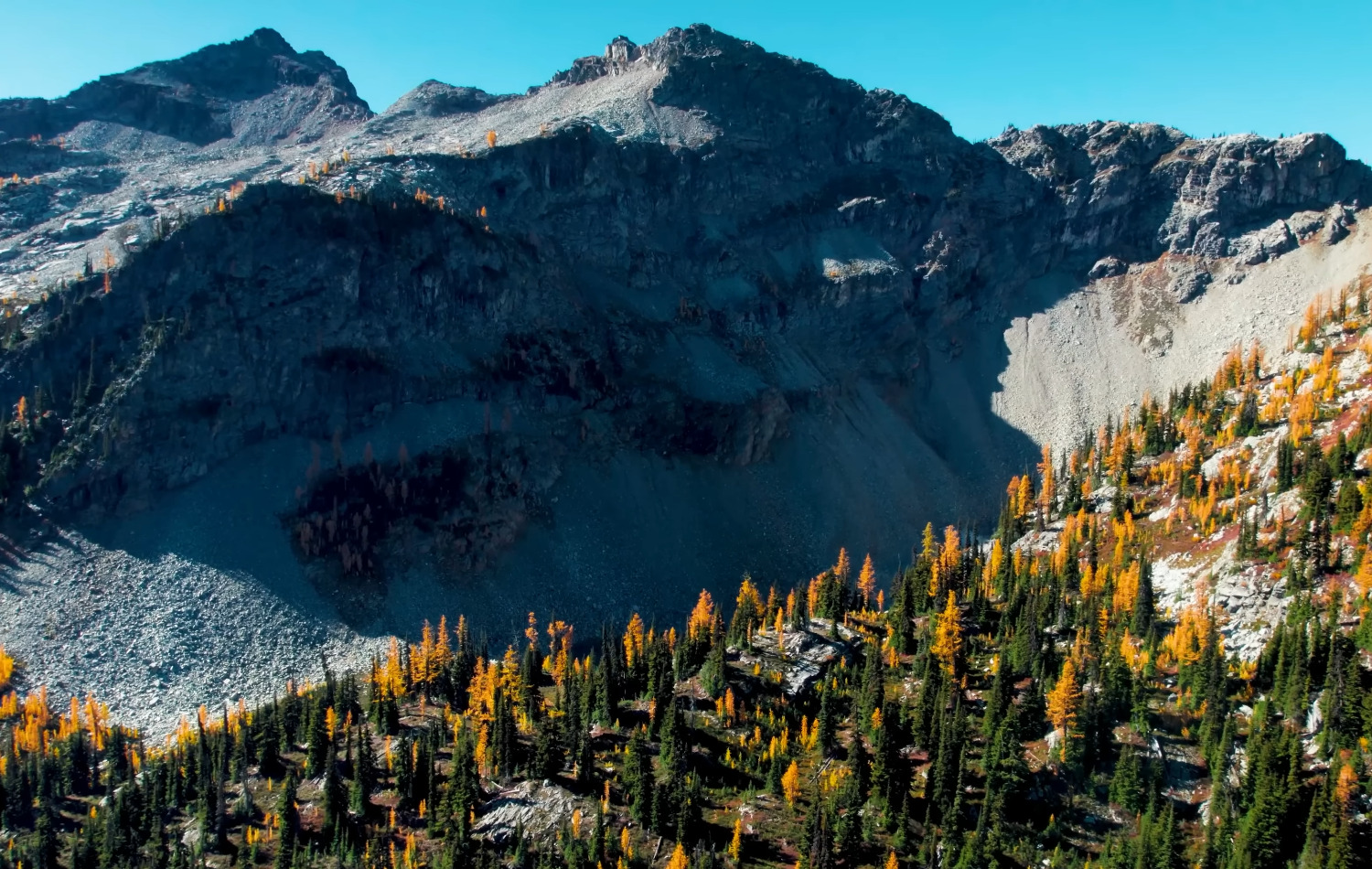
When it comes to camping in Great Smoky Mountains National Park, picking the right campground can set the tone for your entire experience. Each of the nine campgrounds offers a different atmosphere and amenities. For instance, if you’re looking for a more social vibe, consider Cades Cove Campground, where you’ll find a mix of families and solo adventurers. It’s close to some of the park’s most popular hiking trails and historic sites, making it a great base for exploration.
On the other hand, if solitude is what you crave, head to the Cataloochee Campground. Nestled in a secluded valley, it’s less crowded and offers a chance to see elk roaming in the early morning or late evening. Just be aware that the drive to Cataloochee can be a bit winding and remote, so plan accordingly.
Timing Your Visit
The experience of camping in the Smokies changes dramatically with the seasons. Spring brings wildflowers and a burst of life, while summer is vibrant and bustling, with families filling the campgrounds. Fall is a spectacle of color, but it’s also the busiest time, so make reservations well in advance if you plan to visit then. Winter offers a quieter experience, with fewer visitors and a serene landscape, but be prepared for colder temperatures and possible snow.
Time of day also plays a significant role. Early mornings can be magical, with the soft light filtering through the trees and the sounds of wildlife waking up. Late afternoons, especially near sunset, can be a great time to enjoy the views from overlooks like Clingmans Dome or Newfound Gap. The park’s elevation means temperatures can drop quickly after the sun sets, so layering up is essential.
Common Misunderstandings
Many travelers underestimate the importance of planning their hikes based on difficulty and distance. It’s easy to look at a map and think, “That trail looks short, I can do that in an hour.” However, the terrain can be steep and rocky, and what seems like a quick jaunt might take longer than expected. Always check the trail conditions and plan for extra time.
Another common misconception is that all campgrounds have the same amenities. Some, like Elkmont, have flush toilets and running water, while others may have only pit toilets and no water source. Knowing what to expect can help you pack efficiently and avoid surprises.
What to Prioritize
When planning your camping trip, prioritize experiences that resonate with your interests. If you’re a history buff, don’t miss the chance to explore the preserved buildings in Cades Cove. For those who love wildlife, the Roaring Fork Motor Nature Trail is a great way to spot deer, black bears, and various bird species without straying too far from your vehicle.
Here’s a quick table summarizing some key experiences worth considering:
| Experience | Where | Best Time | Notes |
|---|---|---|---|
| Wildflower Viewing | Porters Creek Trail | Spring | Peak blooms typically in April |
| Wildlife Spotting | Cataloochee Valley | Dawn/Dusk | Best chance to see elk |
| Scenic Overlook | Clingmans Dome | Sunset | Bring a flashlight for the hike back |
| Historical Sites | Cades Cove | Anytime | Consider a guided tour for deeper insights |
Routes and Trails to Explore
Some trails are more popular than others, but that doesn’t mean they’re not worth it. The Alum Cave Trail is a favorite for its stunning views and unique geological features. It’s a moderate hike that leads to the summit of Mount LeConte, where you can enjoy panoramic vistas. Just be ready for a workout; the elevation gain can be challenging.
If you’re looking for something less strenuous, the Laurel Falls Trail is a family-friendly option. It’s a short, paved path that leads to a beautiful waterfall, making it a great choice for those with kids or anyone wanting a leisurely stroll.
For a more secluded experience, try the Ramsey Cascades Trail. It’s a bit longer and more strenuous, but the reward is a stunning waterfall and a chance to see old-growth forest. Just remember to pack plenty of water and snacks, as this trail can take a few hours to complete.
Final Thoughts on Camping in Great Smoky Mountains National Park
Understanding the Experience
Camping in Great Smoky Mountains National Park is not just about the act of setting up a tent or roasting marshmallows over a fire. It’s about connecting with the land and the stories it holds. The park is rich in biodiversity, with over 19,000 documented species and many more yet to be discovered. Each hike, each campsite, offers a chance to witness nature in its raw form. This connection to the environment can be grounding, reminding us of our place in the larger ecosystem.
What makes this experience truly worthwhile is the variety it offers. Whether you’re interested in hiking, wildlife watching, or simply soaking in the peace of nature, there’s something here for everyone. The park’s vastness means you can find solitude even in popular areas, and the changing seasons provide a new perspective with each visit. It’s a place that invites you to explore at your own pace, whether that means tackling challenging trails or enjoying leisurely strolls through the woods.
Who It Suits Best
This camping experience is well-suited for a range of visitors:
- Families: Many campgrounds are equipped with amenities that make camping with kids easier, and the variety of short, accessible trails means everyone can enjoy the outdoors.
- Solo Travelers: If you’re looking for a chance to reflect and recharge, the quieter corners of the park provide an excellent backdrop for solitude.
- Outdoor Enthusiasts: Whether you’re into hiking, birdwatching, or photography, the park’s diverse landscapes and ecosystems offer endless opportunities for exploration.
- History Buffs: With its rich cultural history, the park has numerous sites that tell the story of the people who lived here long before it became a national park.
A Grounded Recommendation
If you’re considering a camping trip to Great Smoky Mountains National Park, my recommendation is to take your time. Don’t rush through the park trying to check off a list of trails or sights. Instead, pick a couple of campgrounds, settle in, and explore the surrounding areas at a leisurely pace. Allow yourself to wander off the beaten path; some of the best moments come from the unexpected. Bring a good book, a journal, or just your curiosity. Engage with fellow campers, share stories, and soak in the atmosphere.
Ultimately, this park offers a unique blend of adventure and tranquility. It’s a chance to step away from the daily grind and immerse yourself in a world of natural beauty and rich history. Whether you’re a first-time camper or a seasoned pro, the Smokies have a way of making you feel at home in the wild. So pack your gear, plan your route, and prepare for an experience that’s as much about the journey as it is about the destination.