

Discovering the Heights of the Great Smoky Mountains
Why High Elevation Camping Matters
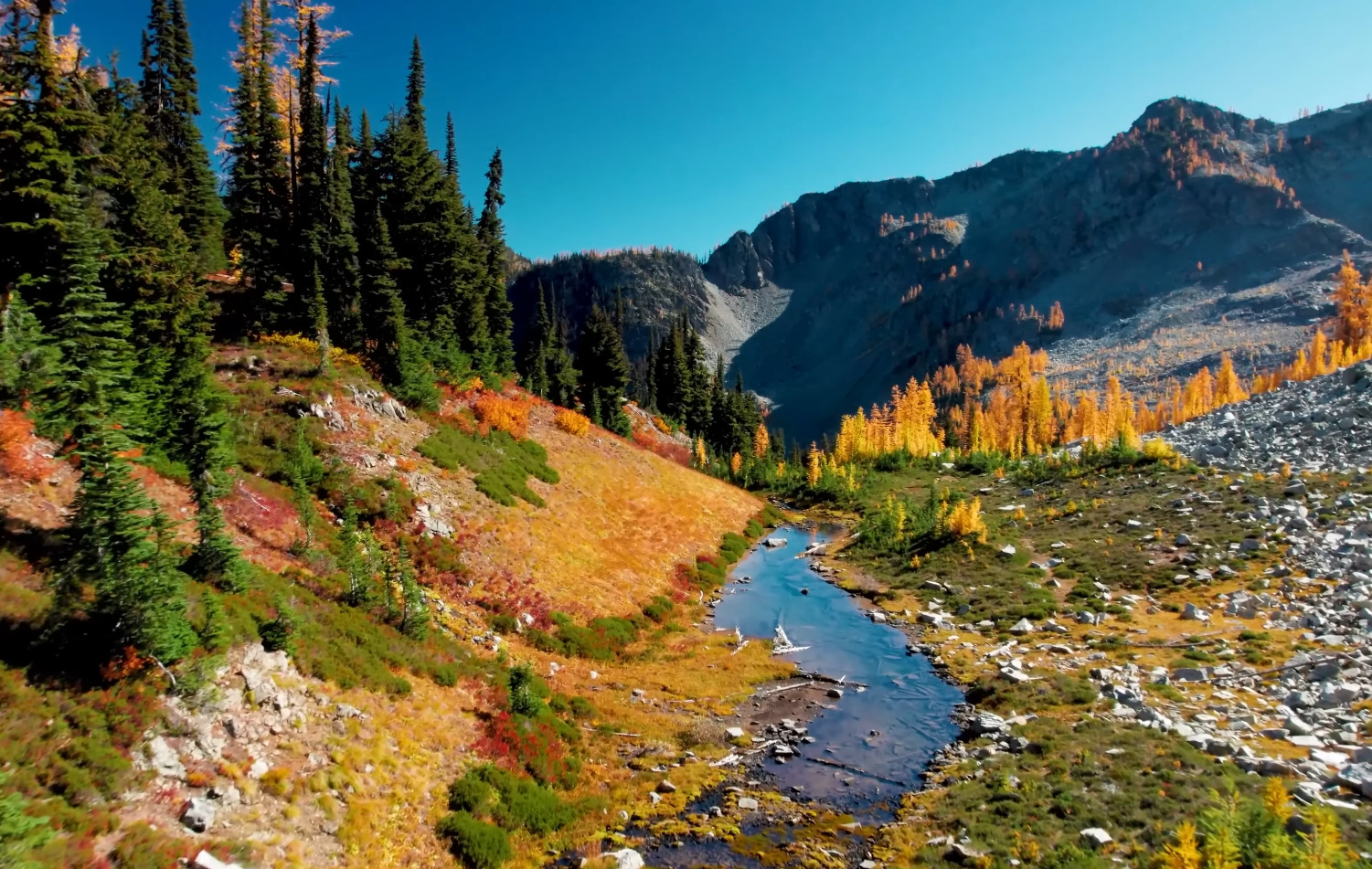
The Great Smoky Mountains National Park is a treasure trove of biodiversity, stunning vistas, and rich history. For those seeking adventure, high elevation camping offers a unique opportunity to immerse yourself in the park’s breathtaking beauty while experiencing the serenity that comes with being above the hustle and bustle of everyday life. Imagine waking up to the soft whispers of the wind, the sun rising over rolling peaks, and the world below wrapped in a blanket of mist. This is not just a camping trip; it’s a chance to connect with nature in a profound way.
A Glimpse into the Smokies’ Geography
Nestled along the border of North Carolina and Tennessee, the Great Smoky Mountains rise majestically, with peaks that soar over 6,600 feet. The park is renowned for its diverse ecosystems and is home to an impressive array of wildlife, including black bears, elk, and over 1,500 species of flowering plants. The high elevations create microclimates that support unique flora and fauna, making each campsite a gateway to discover the wonders of nature.
Historically, these mountains have been a sanctuary for various cultures, from the Cherokee people, who revered the land, to early European settlers who relied on its resources. Today, the park stands as a testament to conservation efforts, inviting visitors to experience its beauty while respecting its delicate ecosystems.
The Emotional Connection
High elevation camping is not just about the destination; it’s about the journey. As you trek through the winding trails, you’ll find yourself surrounded by towering trees, cascading waterfalls, and panoramic views that will take your breath away. The sense of accomplishment you feel after reaching a summit is unparalleled. It’s a reminder of your strength and resilience, and it fosters a deep appreciation for the natural world.
Imagine sitting around a campfire under a canopy of stars, sharing stories with friends or family, or simply reflecting on the day’s adventures. The Smokies have a way of grounding you, reminding you of what truly matters. This experience is not just a getaway; it’s an invitation to reconnect with yourself and the environment.
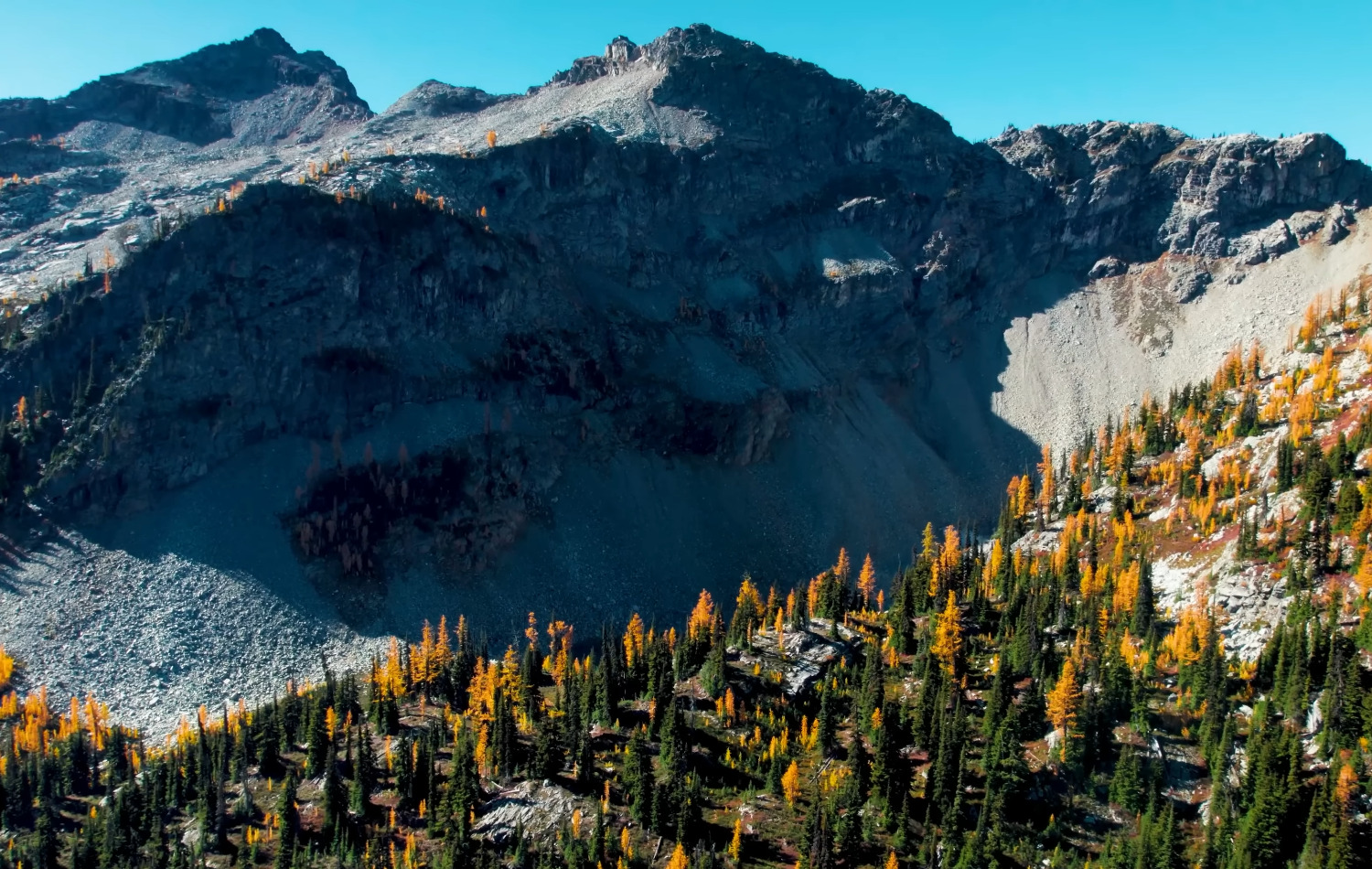
As you read on, you’ll uncover practical insights, tips, and recommendations that will enhance your high elevation camping experience in the Great Smoky Mountains. Whether you’re a seasoned camper or a first-timer, this guide will equip you with the knowledge you need to explore these majestic heights safely and enjoyably. So grab your gear, lace up your boots, and get ready to embark on an unforgettable journey into the heart of the Smokies.
Your Guide to Camping in the Smokies’ High Elevations
What Travelers Should Know
High elevation camping in the Great Smoky Mountains is an experience unlike any other, but it comes with its own set of considerations. Here’s what you need to know before you embark on your adventure:
- Altitude Awareness: As you ascend, the air becomes thinner, which can affect your breathing and energy levels. Take your time to acclimate.
- Weather Variability: Conditions can change rapidly at higher elevations. Be prepared for sudden rain, temperature drops, or even snow, regardless of the season.
- Wildlife Encounters: The Smokies are home to diverse wildlife, including black bears. Always store food securely and follow park guidelines to minimize encounters.
- Leave No Trace: Respect the environment by following Leave No Trace principles. Pack out what you pack in and minimize your impact on the natural surroundings.
Key Features and Seasonal Considerations
The Great Smoky Mountains offer a range of features that make high elevation camping special. Here’s a breakdown of what to expect throughout the seasons:
| Season | Features | Wildlife Activity | Recommended Trails |
|---|---|---|---|
| Spring (March – May) | Wildflowers bloom, temperatures rise, and streams swell with snowmelt. | Black bears emerge from hibernation; birdwatching opportunities abound. | Clingmans Dome, Alum Cave Trail |
| Summer (June – August) | Warm weather, lush greenery, and vibrant wildlife. | Active bear population; great time for seeing elk in Cataloochee Valley. | Mount LeConte, Andrews Bald |
| Fall (September – November) | Stunning fall foliage; cooler temperatures. | Deer are more active; migratory birds return. | Oconaluftee River Trail, Chimney Tops Trail |
| Winter (December – February) | Snow-capped peaks; serene landscapes. | Wildlife is less active; great for spotting tracks in the snow. | Gatlinburg Trail, Laurel Falls Trail |
Where to Experience High Elevation Camping
The Great Smoky Mountains National Park boasts several campgrounds and backcountry sites that provide access to high elevation camping. Here are some notable locations:
- Elkmont Campground: Located at an elevation of 2,150 feet, it serves as a great base for accessing higher trails.
- Spence Field: A backcountry site at 4,800 feet, perfect for those looking for solitude and panoramic views.
- Icewater Spring Shelter: Situated along the Appalachian Trail, this shelter is a popular stop for long-distance hikers.
- Mount LeConte Lodge: For those who prefer a bit more comfort, this lodge offers a unique high elevation experience without the need for a tent.
When is the Best Time to Go?
While the Smokies are a year-round destination, the best time for high elevation camping largely depends on what you want to experience:
- Spring: Ideal for wildflower enthusiasts and those who enjoy mild temperatures.
- Summer: Perfect for those seeking vibrant greenery and wildlife activity, but be prepared for summer storms.
- Fall: A must-visit for leaf peepers; the fall foliage is nothing short of spectacular.
- Winter: Best for solitude seekers and those interested in winter sports; just be ready for cold temperatures and potential snow.
Practical Travel Tips
To make the most of your high elevation camping experience, consider these practical tips:
- Pack Smart: Bring lightweight gear and clothing suitable for varying temperatures. Layering is key.
- Hydration: Stay hydrated, especially at higher altitudes. Carry a reliable water filtration system.
- Plan Your Route: Familiarize yourself with trail maps and park regulations. Always let someone know your itinerary.
- Leave Early: Start your hikes early in the day to avoid afternoon thunderstorms and to enjoy quieter trails.
By keeping these tips and insights in mind, you’ll be well-prepared to embark on your high elevation camping adventure in the Great Smoky Mountains. The journey promises to be filled with awe-inspiring moments and unforgettable experiences.
Embrace the Heights of the Smokies
The Unique Appeal of High Elevation Camping
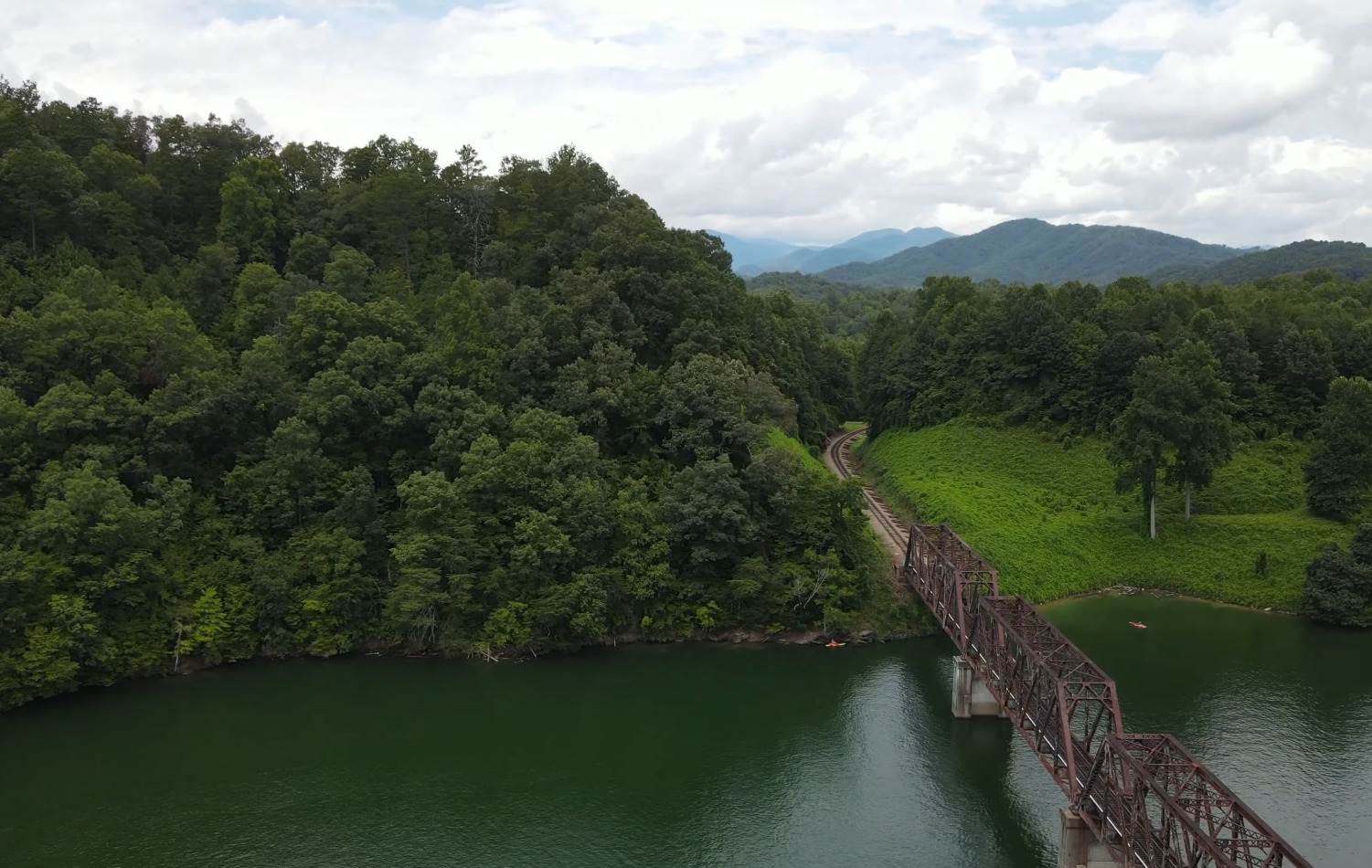
High elevation camping in the Great Smoky Mountains is more than just a recreational activity; it’s an opportunity to connect deeply with nature and yourself. The breathtaking views, diverse ecosystems, and the tranquility found at higher altitudes create an experience that is both invigorating and humbling. Here’s why you should consider this adventure:
- Stunning Vistas: The panoramic views from the peaks are simply unmatched, offering a perspective of the Smokies that few get to witness.
- Wildlife Encounters: From black bears to elusive elk, the wildlife at higher elevations is vibrant and abundant, providing unique opportunities for observation.
- Solitude and Reflection: The higher you go, the fewer people you’ll encounter. This solitude allows for personal reflection and a chance to reconnect with nature.
- Physical Challenge: The trails may be demanding, but the sense of accomplishment upon reaching your destination is incredibly rewarding.
Final Recommendations
If you’re ready to embark on your high elevation camping journey, keep these recommendations in mind to enhance your experience:
- Research Your Trails: Familiarize yourself with the trails you plan to hike. Understanding the terrain and difficulty level will help you prepare accordingly.
- Pack Essentials: Ensure you have all necessary gear, including a reliable tent, sleeping bag, cooking supplies, and first aid kit.
- Respect Nature: Follow park regulations and Leave No Trace principles to protect the delicate ecosystems of the Smokies.
- Stay Flexible: Be prepared for changing weather conditions and adjust your plans if necessary. Safety should always come first.
Inspiration to Explore
As you contemplate your adventure in the Great Smoky Mountains, remember that the journey is just as important as the destination. Each step taken on the trail is a step into a world of wonder, where the air is crisp, the views are breathtaking, and the spirit of adventure is alive.
Imagine standing atop a mountain, the sun setting in a blaze of colors, painting the sky and the valleys below. In that moment, you’ll realize that the Smokies are not just a place to visit; they are a sanctuary for the soul, a reminder of the beauty that exists in the world, and a call to explore the unknown.
So pack your bags, lace up your hiking boots, and set out to discover the heights of the Great Smoky Mountains. The adventure awaits, and the mountains are calling.